
Brain Breaks have been found to improve student academic achievement by shifting activity to different brain networks, which allow idle neural pathways to restore their calm focus and provide optimal mood, attention, and memory.
BOOSTING BRAIN FUNCTION - Exercise breaks—whether short activities in the classroom or recess—help promote physical fitness, which in turn boosts brain health. In 2013, the National Academy of Medicine (then called the Institute of Medicine) published a major report on the benefits of physical activity on children’s cognitive development and academic success. Edutopia 2018

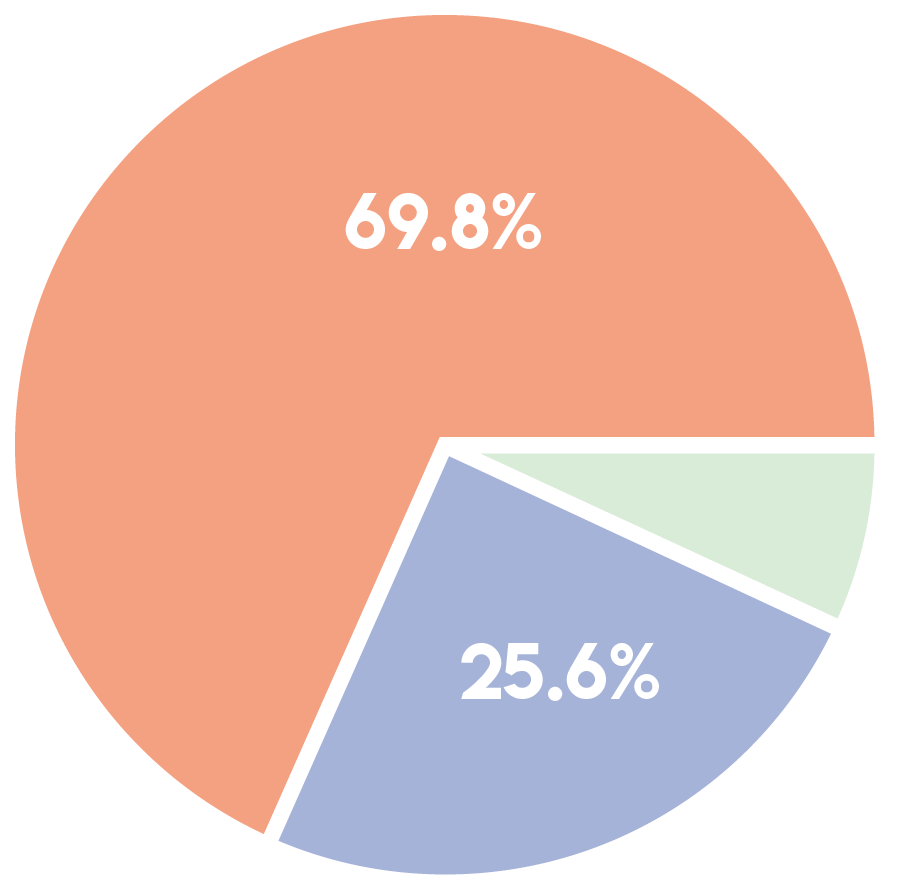
“I am open to using new technology to help me plan lessons and manage my classroom” – 69% agree with the statement.
Educators embrace new technology as a means to plan and manage their classroom.
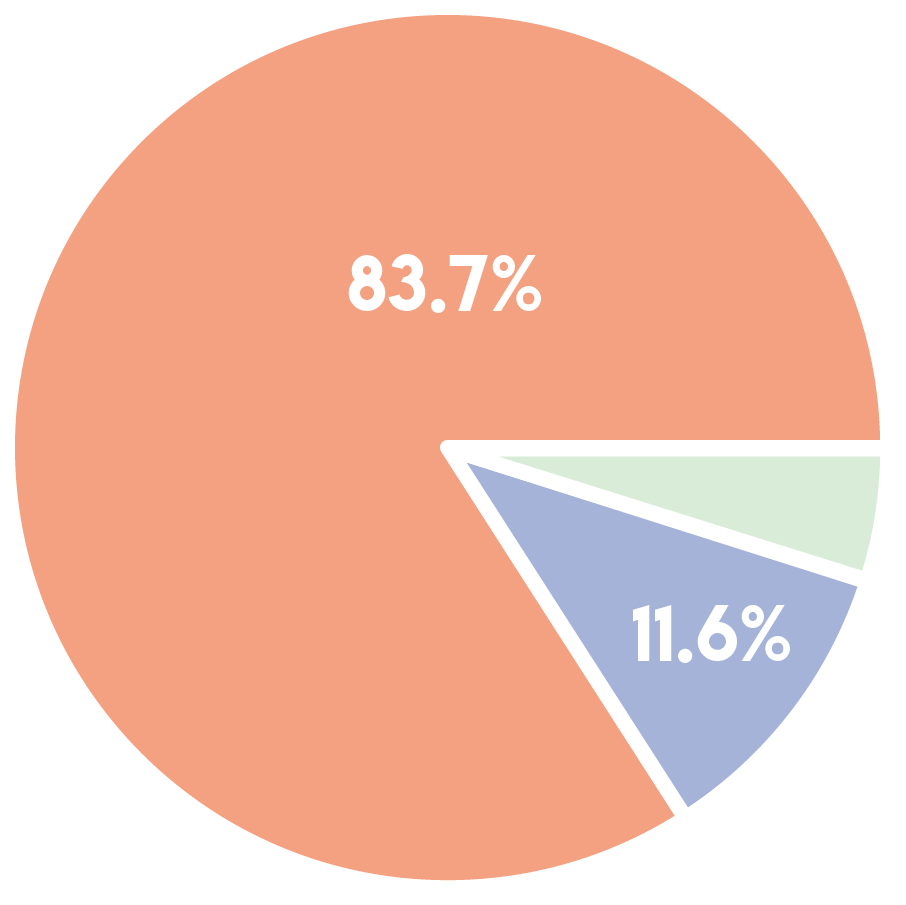
“How frequently do you integrate technology into your classroom?” – 83% of educator answered "Daily."
Daily technology integration in the classroom is the new normal.
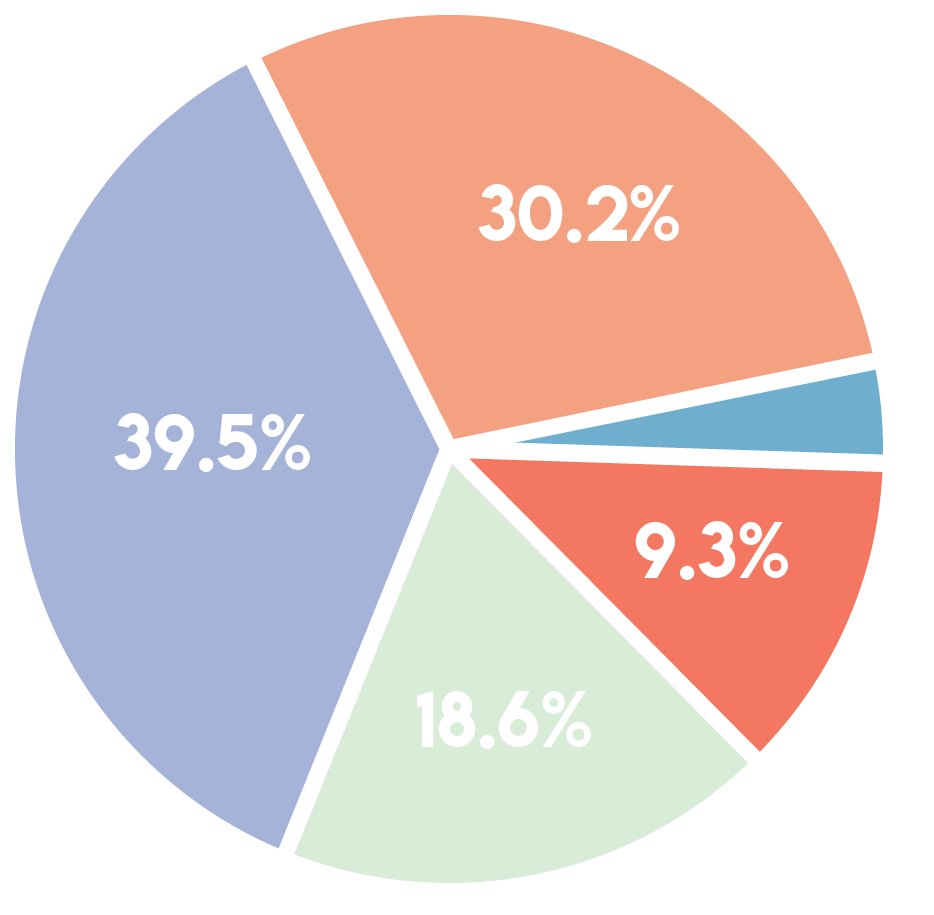
“I would like to incorporate more mental health practices into my lesson plans.” – 30.2% strongly agree, and 39.5% somewhat agree.
Teachers use mental health strategies (Brain Breaks), but they struggle to consistently integrate them into their daily lesson plans.
Taking brain breaks has become a vital part of our school day. My kids were thrilled to get “a break” and for me to know that the science behind WHY it is good for us…makes me more eager and willing to give those breaks that we all need!!
–Jessica Waters
We implement these brain breaks in our daily routine! BrainHop is perfect for those moments when mental focus starts to fade…just declare “BRAIN BREAK!”
–Gabby Shellhous
I use to run out of Brain Breaks ideas, but not anymore. There’s nothing else out there like BrainHop that allows you to search for Brain Breaks so specifically to fit your needs.
–Steve Atkins